
Build Me a Boat
Using clear purpose to foster lasting beauty

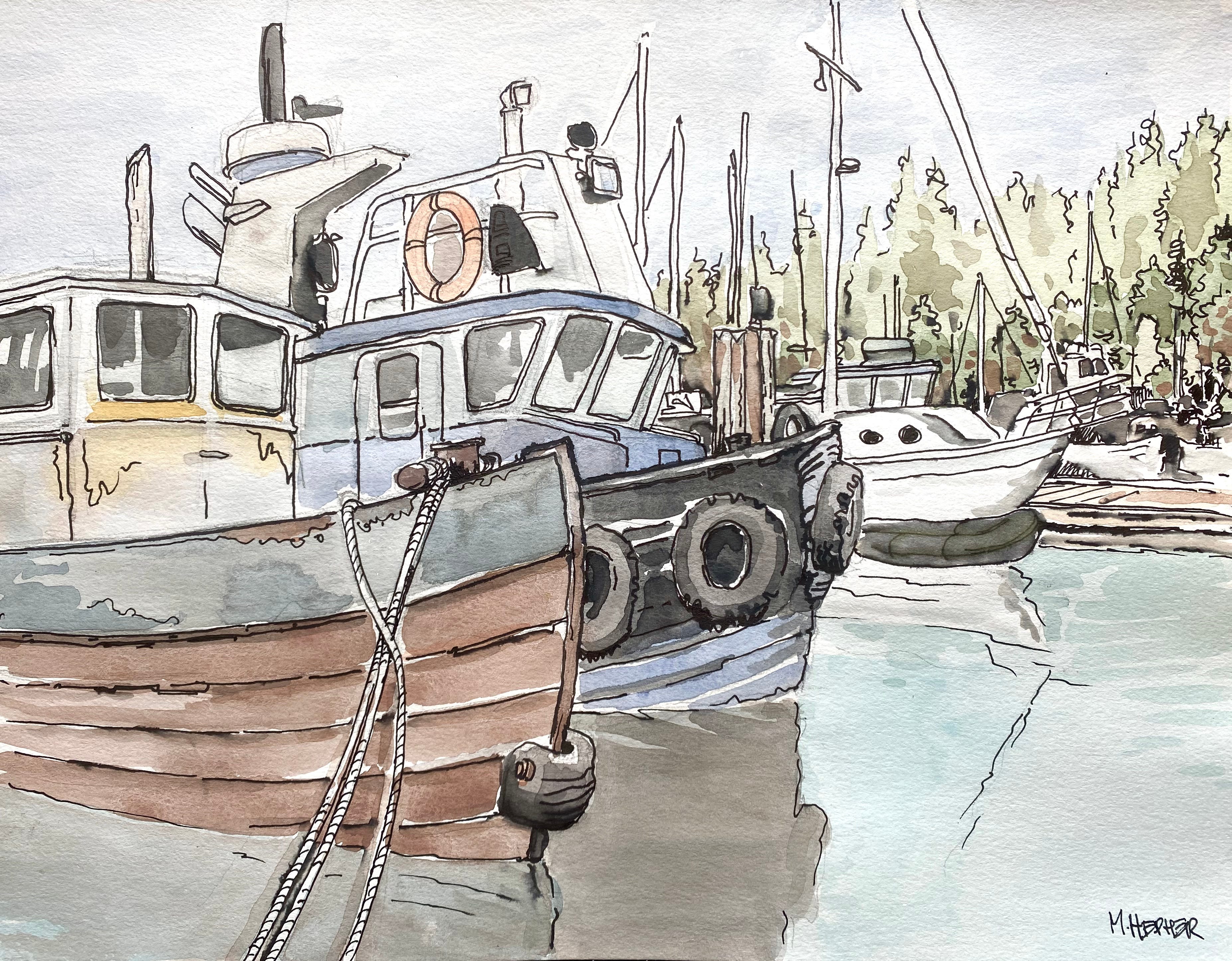
I have never owned a boat, but I have always loved being around them. It’s endlessly fascinating for me to wander around marinas and look at the beautiful variety of vessels. The way boats are built is a form-follows-function process in which the shape, size, and amenities are precisely governed by the purpose of the craft. Moving an oblong shape through the water takes a lot of energy, and each foot of beam (the width of the boat) and each inch of draft (how much of the boat sits below the water) reduces efficiency and adds to the power needed to travel. As such, every decision the boat builder makes supports the purpose of that boat. Inside the cabin, every nook is used for storage and every bit of space is reduced to the minimum footprint required to practically complete the function. These appointments are all laid out for specific purposes with little consideration to aesthetics—and yet every boat is beautiful in its own right.
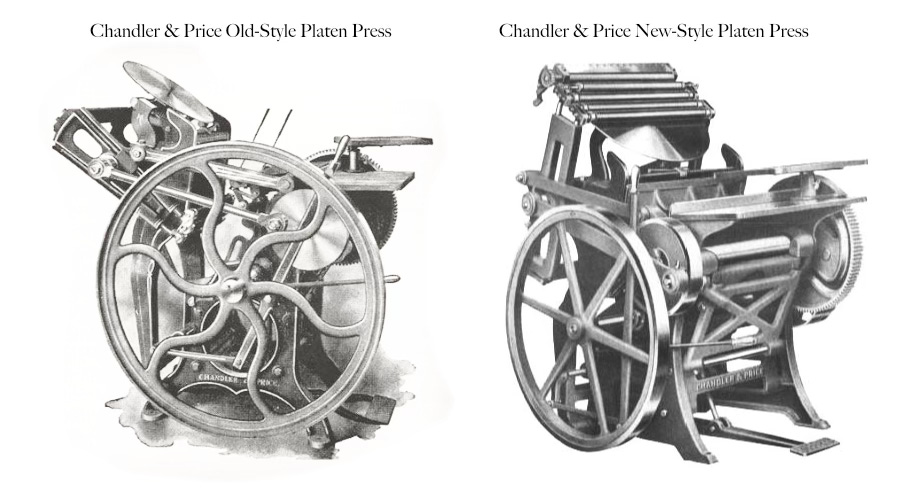
Throughout much of the Industrial Revolution, the craftspeople who designed and built the machines that filled the factories took great pride in their work. The aesthetic qualities of these industrial behemoths—rarely seen by anyone other than the underpaid worker on the assembly line—were magnificently ornate things with curled supports, gilt trim and artful pin striping. As the focus of the industrial age shifted to faster & cheaper, these fanciful additions were pressured away in favour of straight lines and pragmatic design. This change can be clearly seen in the humble printing press. The platen press eased onto the printing scene between 1820 and 1850 from a number of sources, but by the end of the century the Chandler & Price company dominated the North American market. As you can see from the figure below, their early presses had whimsical spokes, ornamental gilt trim and pin striping throughout. By the time the so-called New Style press was introduced in 1911, all the decorative flourishes had been doffed, but because the basic purpose of the press had not changed, the result remained a beautiful—if a bit more angular—version of the same machine.
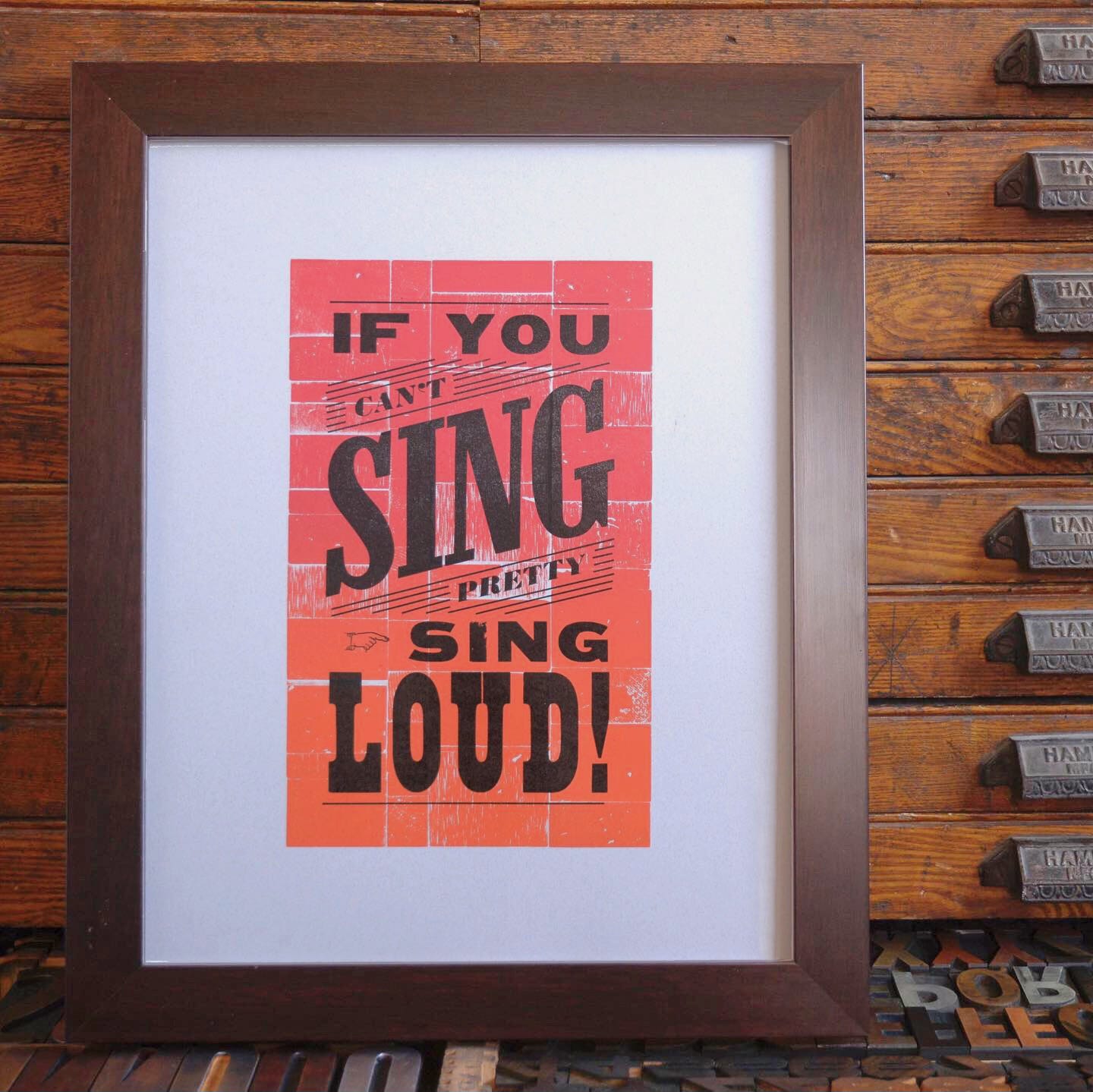
This past summer I drove through the City of White Rock to visit a friend—one of the most expensive places in Canada to build a house—and was taken aback by the sheer number of massive and unappealing homes lining the streets. Our culture tries to convince us that more is better, but the result of ‘more’ is quite often gaudy when there is no guiding principle behind it. The only clear intent of many of the homes seemed to be to showcase the wealth of the residents; more lavish and pretentious than their neighbours’ dwelling. When money and space are no consideration there is very little to hold purpose in check, and the casualty is often aesthetic appeal. This is not a criticism of wealth or size, but of purpose, and how easy it is for beauty to become a speed-bump when there are no other restrictions on a project. As the architectural aphorism goes: if you can’t make it good, make it big and paint it gold, or as my Tennessee-born friend Bob Jones quips, “If you can’t sing pretty, sing loud.” There’s a time for gaudiness, but when the intent lasting beauty, it helps to engage a clear purpose.
One of the most difficult things for an artist to face is a blank canvas—it represents acres of possibility and no clear direction. While art does not necessarily follow a particular function like a boat or a printing press, to effectively turn all that white space into something beautiful we have to invent a purpose for it. The clearer the vision, the easier it is to articulate a thing of beauty. Like children, artists thrive with good boundaries. One simple way I clarify my vision is by creating simple boundaries for myself: subject matter, colour palette, desired emotion, and time allotted to work—restrictions help sharpen the knife that cuts towards the shape of the final composition. I don’t want to remove all the exciting accidents along the way, but I want to give myself a set of principles that will guide each tiny decision. By judging my small problems against the goal of the bigger vision, I can decide if I am working towards or away from my plan. Sometimes I use tools like sketching, thumbnails, and colour studies to sharpen my vision so that once the piece is in motion I have clear benchmarks with which to weigh individual marks.
Like the shipbuilder, when I set out with a clear purpose, and make all my creative decisions based on those self-imposed guidelines, I can be relatively assured to arrive at a piece that has a deliberate kind of beauty. I want to be careful not to minimize the experience of beginners and hobbyists because there is of course authentic joy in cobbling together a raft from driftwood logs on a beach, but one wouldn’t presume that craft to be ocean-worthy or timelessly functional. If, however, the intent is lasting beauty, then boundaries that might initially seem restrictive can actually create a deliberate path towards completion. With clear purpose, I can make simple and efficient marks that help to float the beautiful whole.
—MH
Parts of this article were first published in the Fernie Fix in August of 2025.
The depth/breadth of the different kinds of things you have knowledge and experience of, is neat. Also, ‘hi dad’ in this post.